Türkiye
I live in Didim, Aydın, where the Aegean coast and ancient history share the same everyday landscape. This is my introduction to Türkiye: a country shaped by several seas, many climates, deep layers of civilization, a young Republic and traditions that keep changing without losing their memory.
The country starts close to home
Before the map, the dates and the monuments, there is the place I actually wake up in. My view of Türkiye begins on the Aegean coast and expands from there.
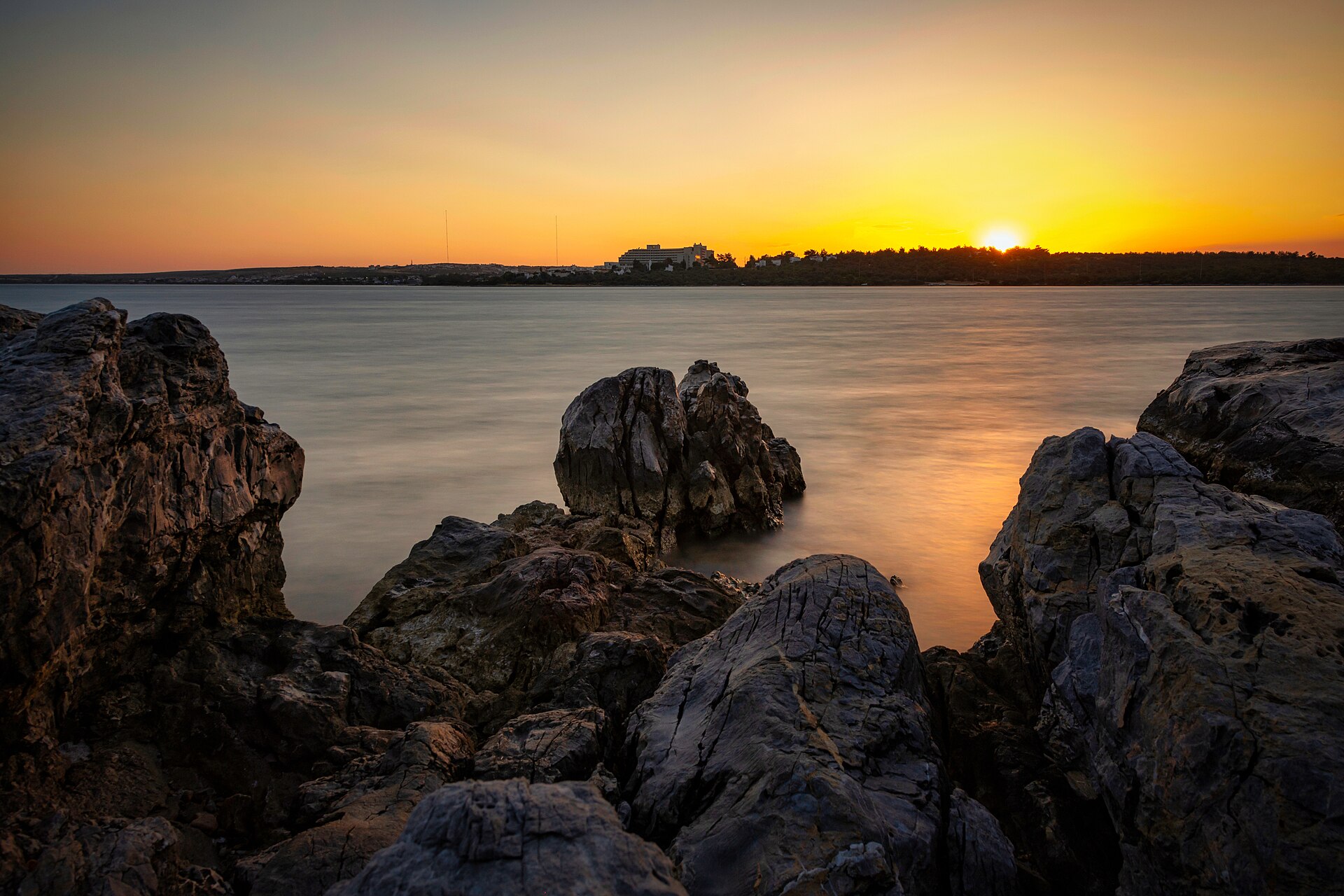
Where my Türkiye begins
I live in Didim, Aydın, on Türkiye's Aegean coast. Sea air, pale limestone, dry summer heat and open horizons shape the ordinary background of my days. Saplı Island, Akbük Bay, small coves and long coastal roads are not holiday images to me. They are familiar points in the landscape.
This area also makes Türkiye's layers easy to understand. Modern apartments, fishing boats, seasonal businesses and ancient stone stand only a short drive apart. A normal workday can end by the water, while the remains of Didyma and Miletus sit nearby as reminders that people have been building lives in this geography for thousands of years.
That is why this page begins locally. Türkiye is too varied to compress into one skyline or one historical period, but the overlap of coast, memory and daily life around Didim offers an honest place to start.
Türkiye in brief
Türkiye occupies Anatolia and Eastern Thrace, with territory on both sides of the Bosphorus and Dardanelles.
- Capital Ankara
- Official language Turkish
- Currency Turkish lira
- Surface area 783,562 km²
- Geographical regions Seven commonly used regions
- Coasts Black, Marmara, Aegean and Mediterranean
- UNESCO World Heritage 22 properties
The figures describe scale, not sameness. Climate, architecture, crops, accents and the pace of life can change quickly between neighbouring regions.
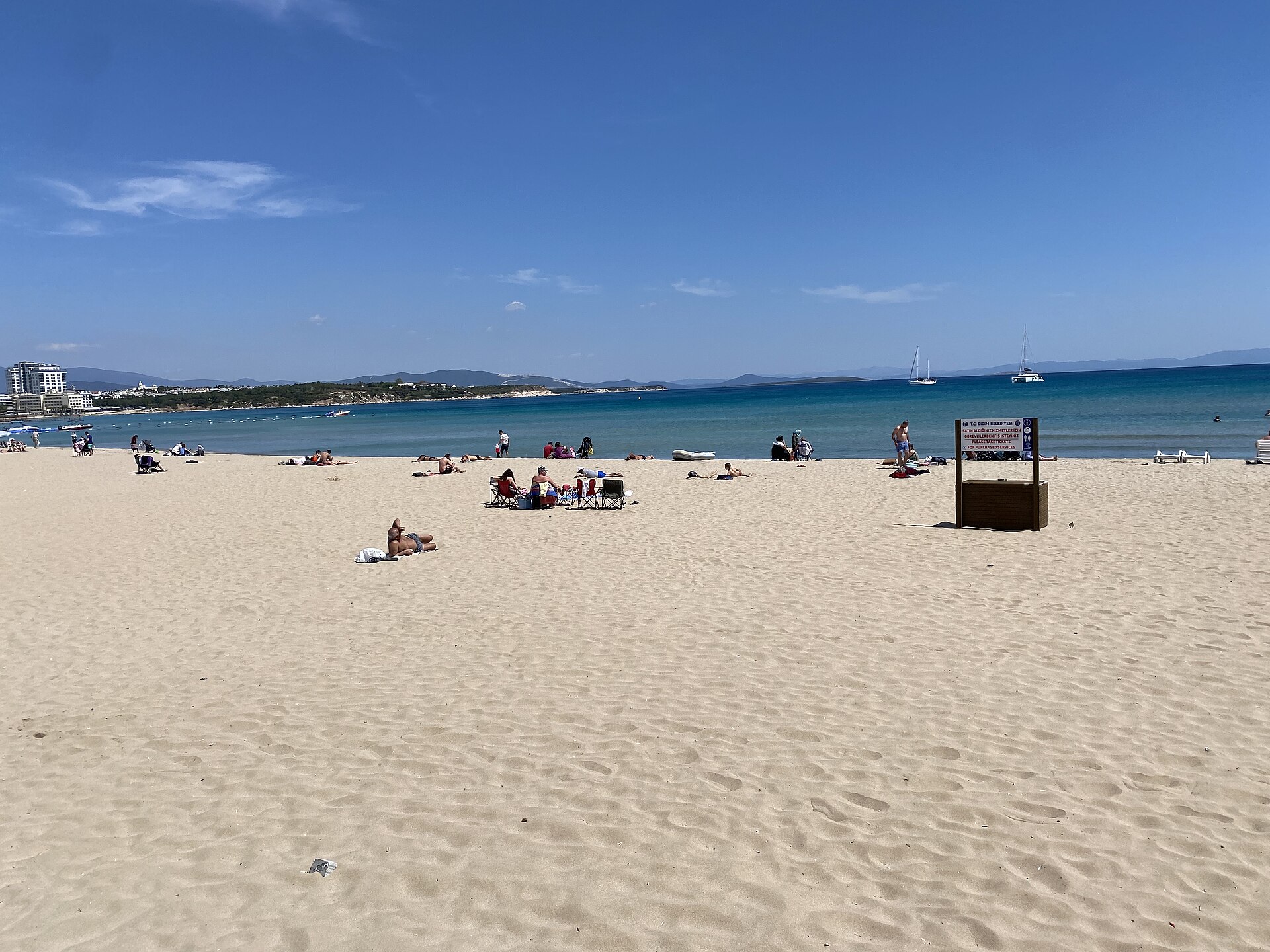
Didim in two seasons
Didim has two distinct tempos. In summer, Altınkum fills with visitors, balconies stay lit late and the coastline becomes energetic. Tourism is not an abstract industry here. It changes traffic, working hours, languages heard in the street and the rhythm of entire neighbourhoods.
When the season ends, space returns. The same beach becomes quieter, the wind is easier to hear and everyday routines come back into focus. I value both versions: summer's movement and winter's concentration.
Akbük feels different again, with a bay that is calmer and more enclosed. Between these places are olive trees, scrubland, construction, small local businesses and roads that reveal the sea and hide it again. This is not a polished resort set. It is a lived-in coastal district whose identity continues after the visitors leave.
Deep time at my door
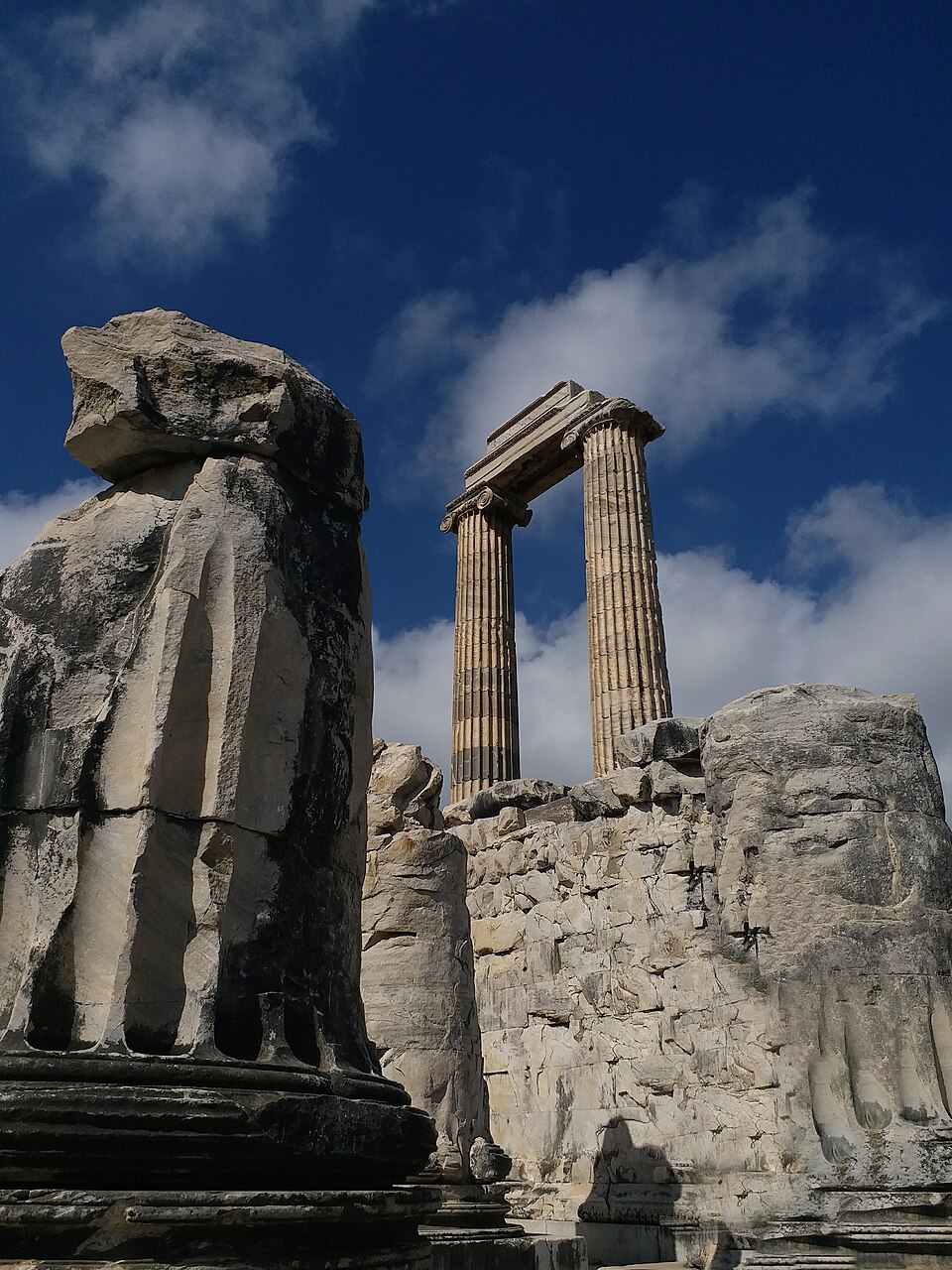
The sanctuary of Apollo at Didyma is part of my local geography. Its earliest known remains reach back to the late eighth century BCE. The sanctuary developed into a major oracle and was connected to Miletus by the Sacred Way. After destruction in 494 BCE, an enormous rebuilding program began in the Hellenistic period.
The scale still feels ambitious. A double ring of columns surrounded an open courtyard with the sacred spring and a smaller temple. The building was never completed, yet its surviving columns, stairs and carved stone make the intention legible.
What stays with me is not only its age. It is the physical closeness between this monument and ordinary Didim. History here is not isolated in a distant textbook. It sits beside roads, homes and routines, which makes the past feel less like a finished chapter and more like another layer under the present.
A landscape that keeps changing
Four seas, an interior plateau, humid northern mountains and high eastern terrain create very different local conditions. Geography is not scenery here. It shapes work, food, architecture and movement.
Geography shapes the rhythm
Several climates in one country
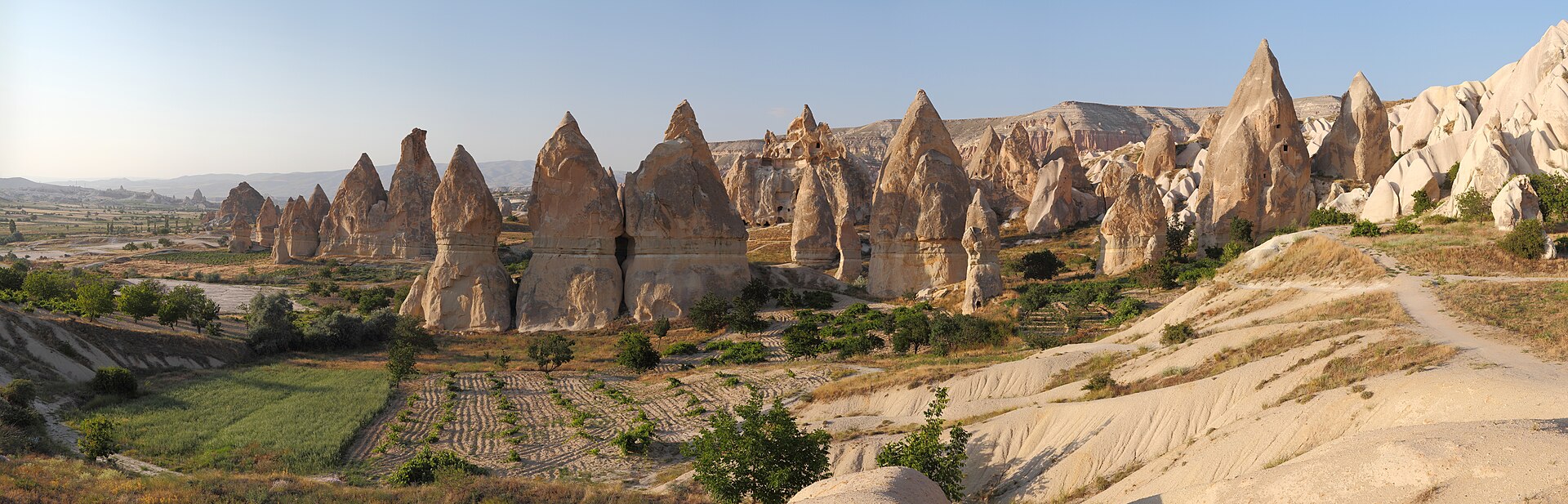
The Black Sea coast is humid and intensely green, backed by mountains that rise close to the water. The Aegean and Mediterranean coasts carry longer dry summers, olive groves and towns oriented toward the sea. Central Anatolia is higher, drier and more continental. Farther east, altitude brings colder winters and a more dramatic scale of mountains and plateaus.
A bridge that is also a home
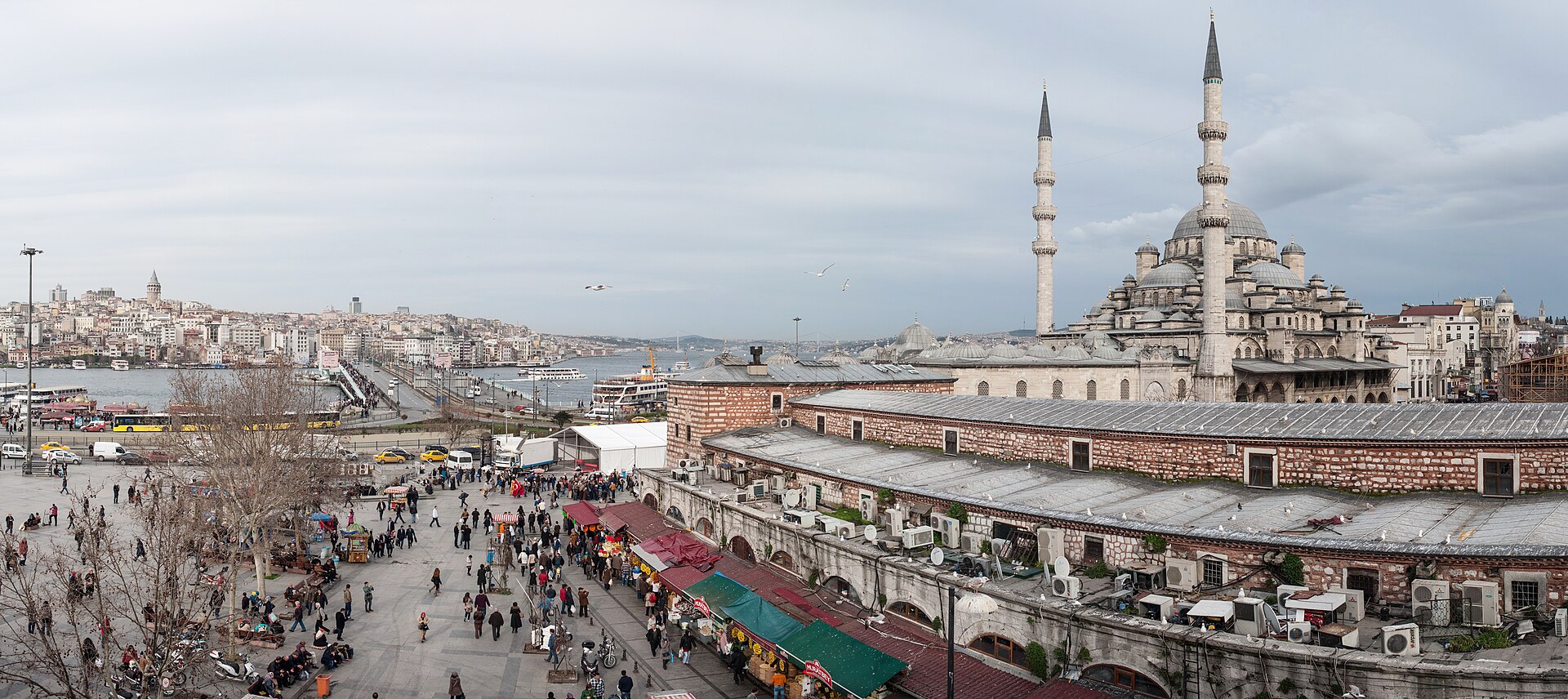
The Bosphorus is often described as a line between Europe and Asia, but Türkiye is more than a bridge between somewhere else. Anatolia and Thrace have their own connected histories, economies and communities. The straits matter because they link the Black Sea to the Mediterranean system and place Istanbul on a route that has been strategically important for centuries.
Seven regions, many local realities
Türkiye is commonly described through seven geographical regions: Marmara, Aegean, Mediterranean, Central Anatolia, Black Sea, Eastern Anatolia and Southeastern Anatolia. They are not administrative divisions. They are a practical way to understand broad differences in terrain and climate. Within each one, cities and rural areas still have distinct economies, building traditions and everyday rhythms.
Anatolia, layer by layer
No short timeline can contain Anatolia, but a few landmarks show the depth and overlap of its history.
- 9600 to 8200 BCE · Göbekli Tepe Monumental enclosures were built by hunter-gatherer groups near present-day Şanlıurfa, changing how archaeologists discuss early communal and ritual architecture.
- Second millennium BCE · Hattusha and Troy Hattusha became the Hittite capital in central Anatolia, while Troy's long archaeological sequence records repeated settlement near the Dardanelles.
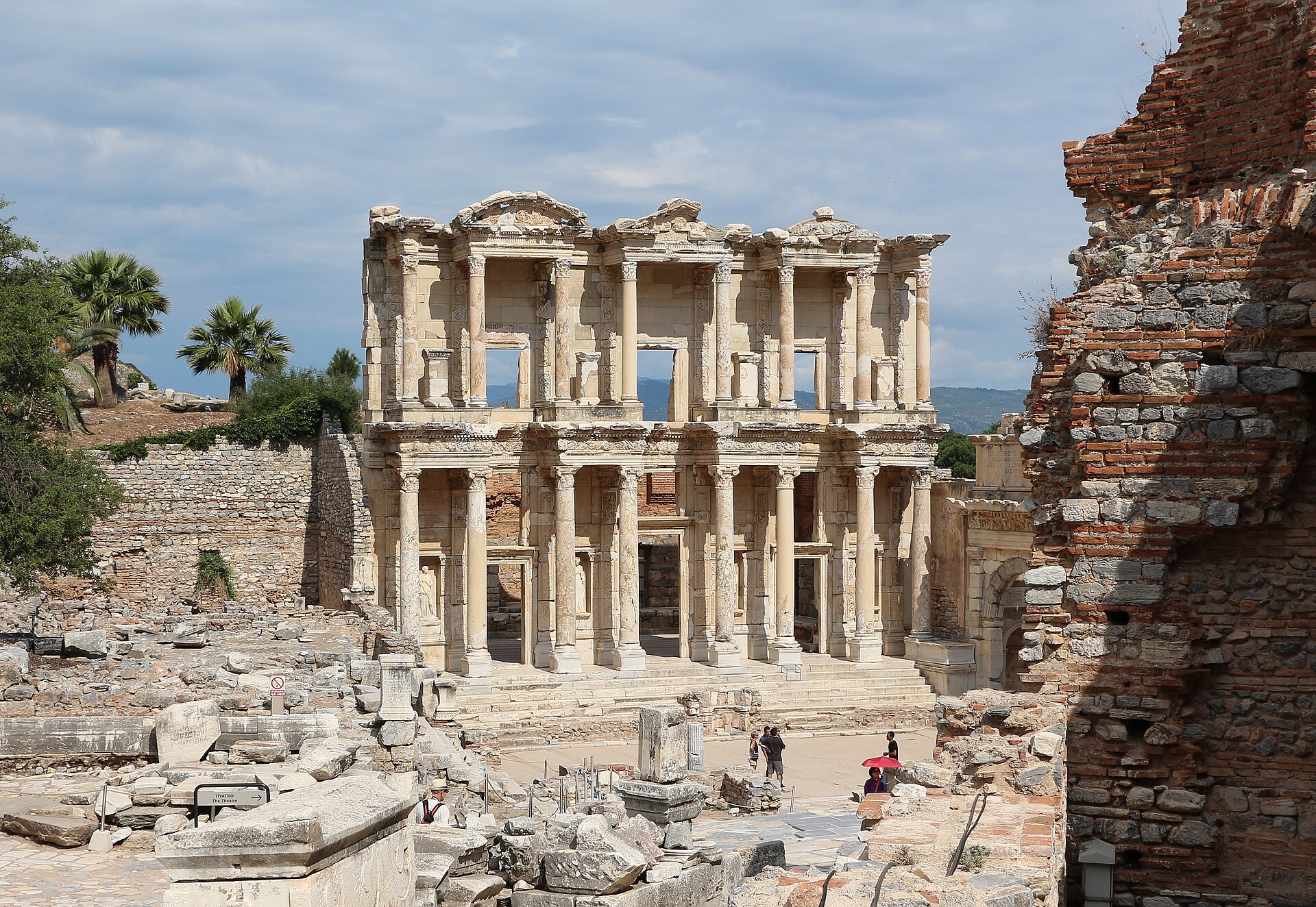
- First millennium BCE · Ionia, Lydia and many neighbours Aegean cities such as Miletus and Ephesus developed within networks of trade, philosophy, religion and imperial competition. Lydia centred on Sardis in western Anatolia.
- Roman and Byzantine centuries Cities, roads, aqueducts, theatres and churches connected Anatolia to wider Mediterranean systems. Constantinople became the capital of the Eastern Roman Empire and remained one of the world's major cities.
- Seljuk and beylik periods From the eleventh century onward, new political powers reshaped central and western Anatolia. Mosques, caravanserais, madrasas and trade routes left a durable architectural record.
- The Ottoman Empire Founded around the turn of the fourteenth century, the empire made Constantinople its capital in 1453 and connected territories across Southeast Europe, western Asia and North Africa for centuries.
- The Republic · 1923 The Republic emerged after the National Struggle and the end of the Ottoman political order. Its institutions, reforms and debates define the modern period.
These layers did not simply replace one another. Buildings were reused, communities moved, languages met and local traditions adapted. That continuity and friction are visible in cities, archaeological sites and ordinary place names across the country.
Atatürk, beyond the portrait
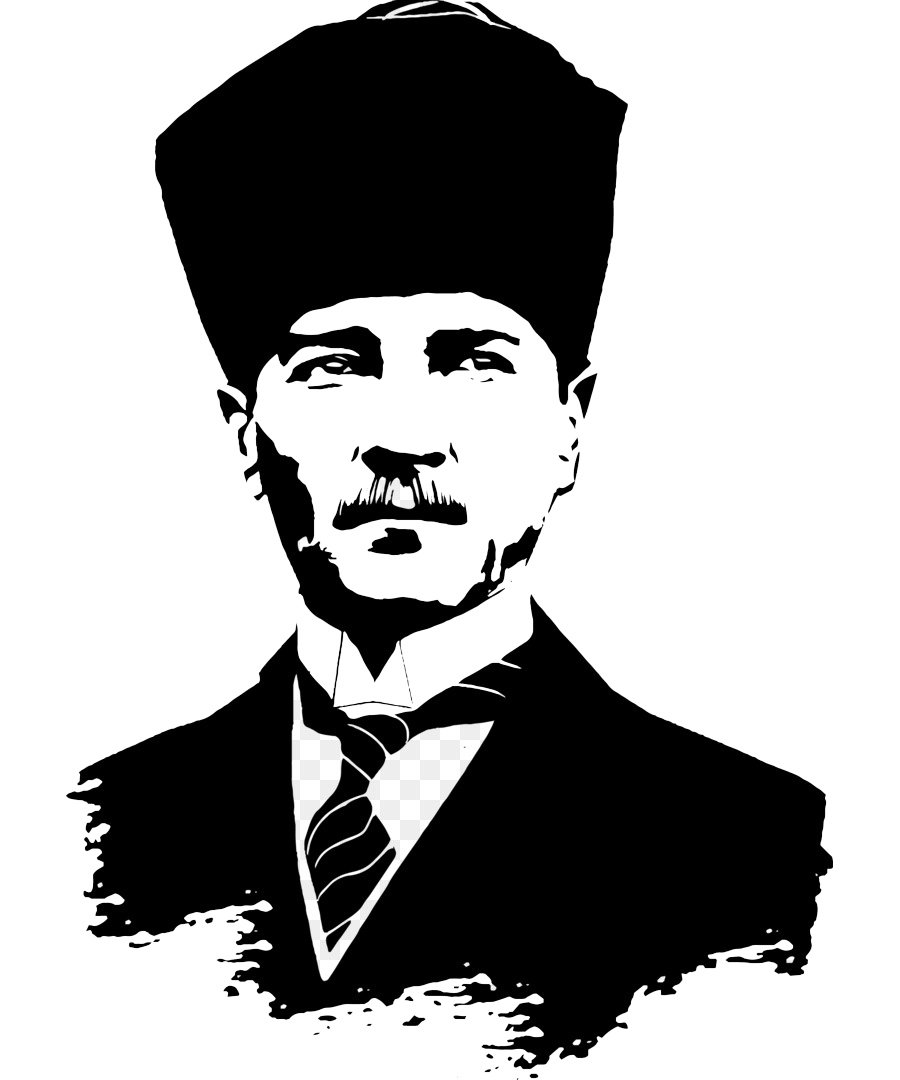
Atatürk is not one figure among many in the story of modern Türkiye. His leadership carried the National Struggle into an independent Republic and gave that Republic its institutional direction. Without him, Türkiye would not be the country I know today.
Atatürk and the work of a Republic
From officer to national leader
Mustafa Kemal Atatürk was born in Selanik in 1881 and trained as an officer. Service in Damascus, Tripoli, the Balkans and Sofia exposed him to both military command and the political failures of the late Ottoman Empire. His initiative at Gallipoli in 1915 made him nationally prominent, but the defining change came after the First World War. He reached Samsun on 19 May 1919, issued the Amasya Circular and helped convene the Erzurum and Sivas congresses. These steps brought separate resistance movements toward a common political programme. When the Grand National Assembly opened in Ankara on 23 April 1920, national sovereignty gained an institution, and Mustafa Kemal became the Assembly's first speaker.
From independence to institutions
Military victory ended the immediate struggle, while the Treaty of Lausanne established the international framework of the new state's sovereignty. The Republic was proclaimed on 29 October 1923, and Mustafa Kemal became its first president. His work then shifted from securing independence to rebuilding institutions in a country exhausted by years of war. Education was unified in 1924. New civil law changed marriage, divorce and women's legal status. The Latin-based Turkish alphabet was adopted in 1928, followed by literacy campaigns. Universities, measurement systems, historical and language institutions, economic policy and public administration were reorganized. Women gained municipal political rights in 1930, village election rights in 1933, and the right to vote and stand in parliamentary elections in 1934. Parliament granted him the surname Atatürk that same year.
Principles, peace and a living responsibility
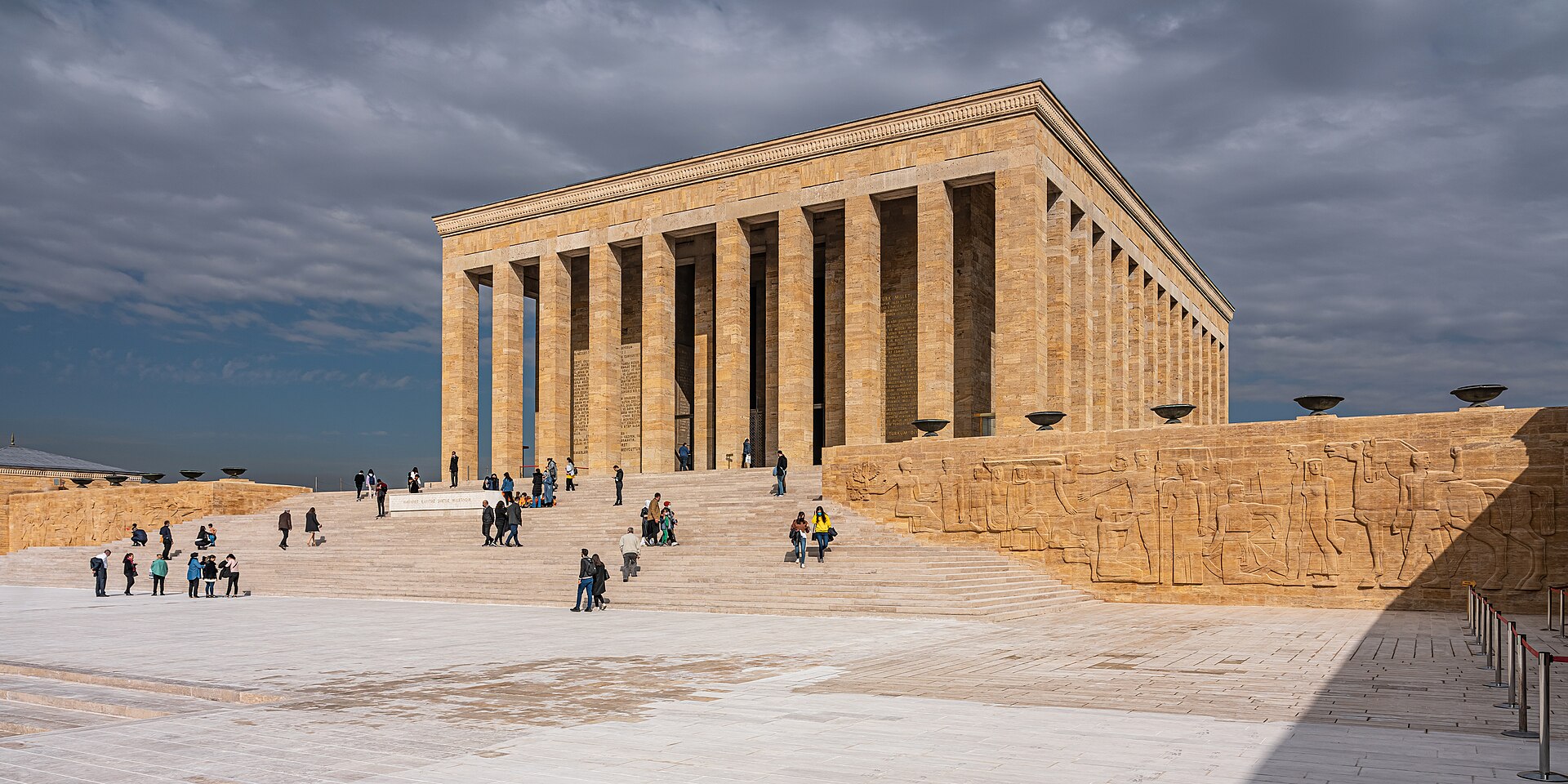
Republicanism, nationalism, halkçılık, statism, secularism and reformism formed the six best-known principles associated with Atatürk. Here halkçılık is closest to public sovereignty and equality before law, not the current English meaning of populism. Statism described a mixed economy in which the young state built infrastructure and industry while private enterprise remained possible. His foreign policy placed independence beside diplomatic realism, summarized by the idea of peace at home and peace in the world. The transformation was broad, but it happened through a largely single-party political system and its results were not immediate or uniform. Understanding that context makes the achievement more credible, not less. Atatürk died at Dolmabahçe Palace at 09:05 on 10 November 1938. His remains were transferred to Anıtkabir in 1953. His life ended in 1938, but his place in Türkiye did not. His importance to Türkiye is impossible to overstate. For me, the point is direct: without Atatürk's leadership through the National Struggle and the institutions founded under his presidency, Türkiye would not be Türkiye as I know it today. Its independence, republican identity and modern civic direction are inseparable from him. He is not decorative history. He represents the demanding choice to build a sovereign future through reason, science, education and public responsibility.
- 1881 Selanik
- 19 May 1919 Samsun
- 23 April 1920 TBMM
- 29 October 1923 Republic
- 24 November 1934 Atatürk
- 10 November 1938 09:05
What people carry into everyday life
Culture survives through repeated actions: how a guest is welcomed, how food is shared, how a craft is taught and how a local habit adapts to a modern city.
Culture lives in repetition
Türkiye's culture is not one fixed national costume. It is a collection of practices shaped by family, neighbourhood, region, migration, religion, trade and modern media.
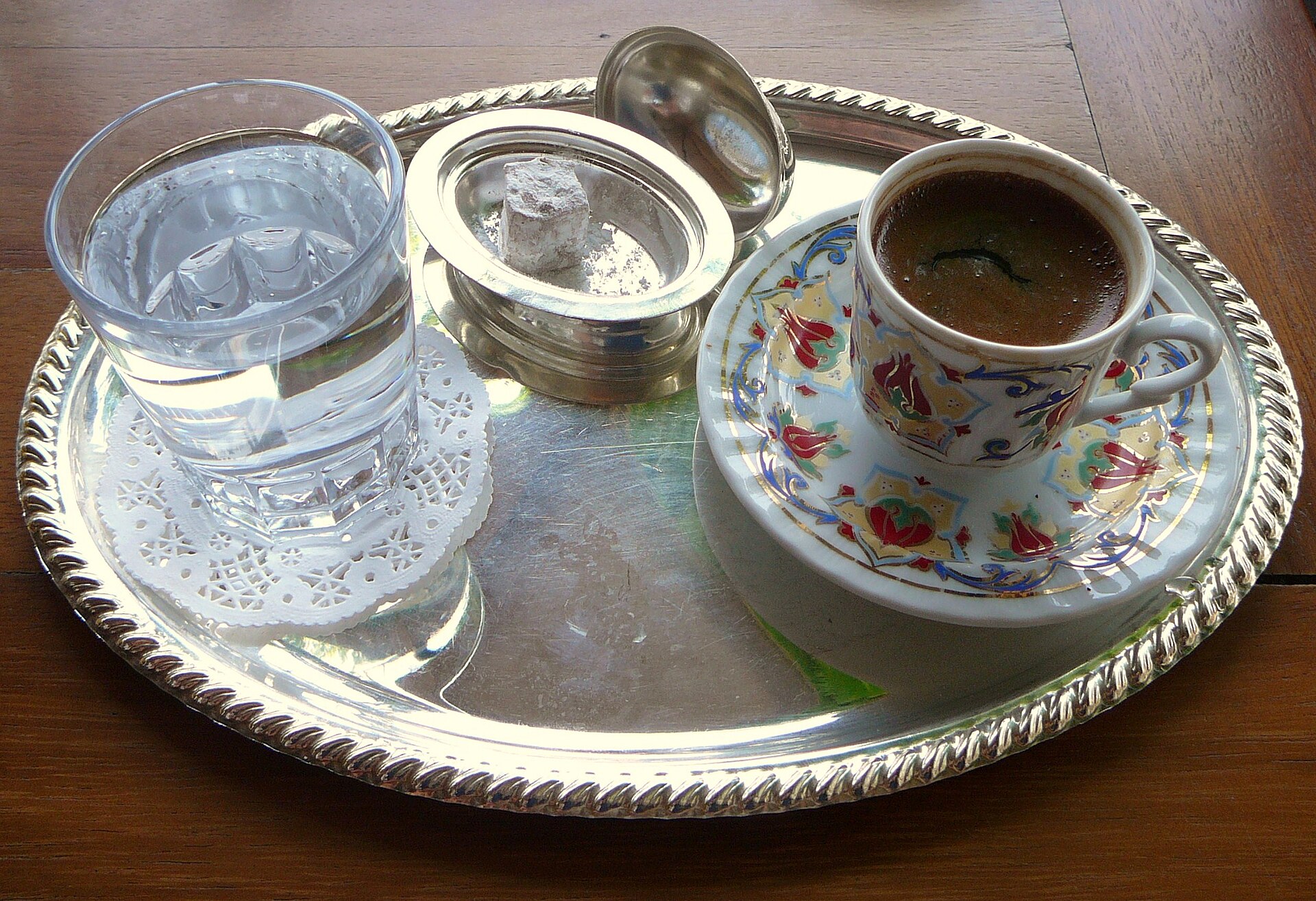
Tea is a daily social language. It appears during work, visits, negotiations and long conversations, usually in a small tulip-shaped glass. Turkish coffee moves at a slower pace. Its preparation, small cup, grounds and accompanying water or sweet connect hospitality with conversation and ceremony. UNESCO recognizes the tradition because the meaning lies in the knowledge and social practice around the drink, not only the recipe.
The same is true of crafts and performance. Ebru transfers colour across water onto paper. Tile work, carpet weaving, calligraphy, copper work and woodcraft preserve regional techniques while contemporary makers reinterpret them. Folk dances, aşık music, classical traditions and modern scenes do not occupy separate sealed worlds. They overlap through education, weddings, festivals, recordings and new audiences.
Hospitality is often described as a national characteristic, but it becomes real in small actions: making space at a table, insisting on another glass of tea, sending food to a neighbour or helping a visitor find their way. The forms differ, yet the intention to include someone remains recognizable.
A table with many accents
There is no single Turkish menu. Aegean cooking often foregrounds olive oil, vegetables and wild herbs. The Black Sea brings corn, anchovy dishes and collard greens. Central Anatolia is known for dough, grains, meat and slow-cooked dishes. Southeastern tables use pepper, bulgur, pistachio and layered spice in ways that differ from city to city.
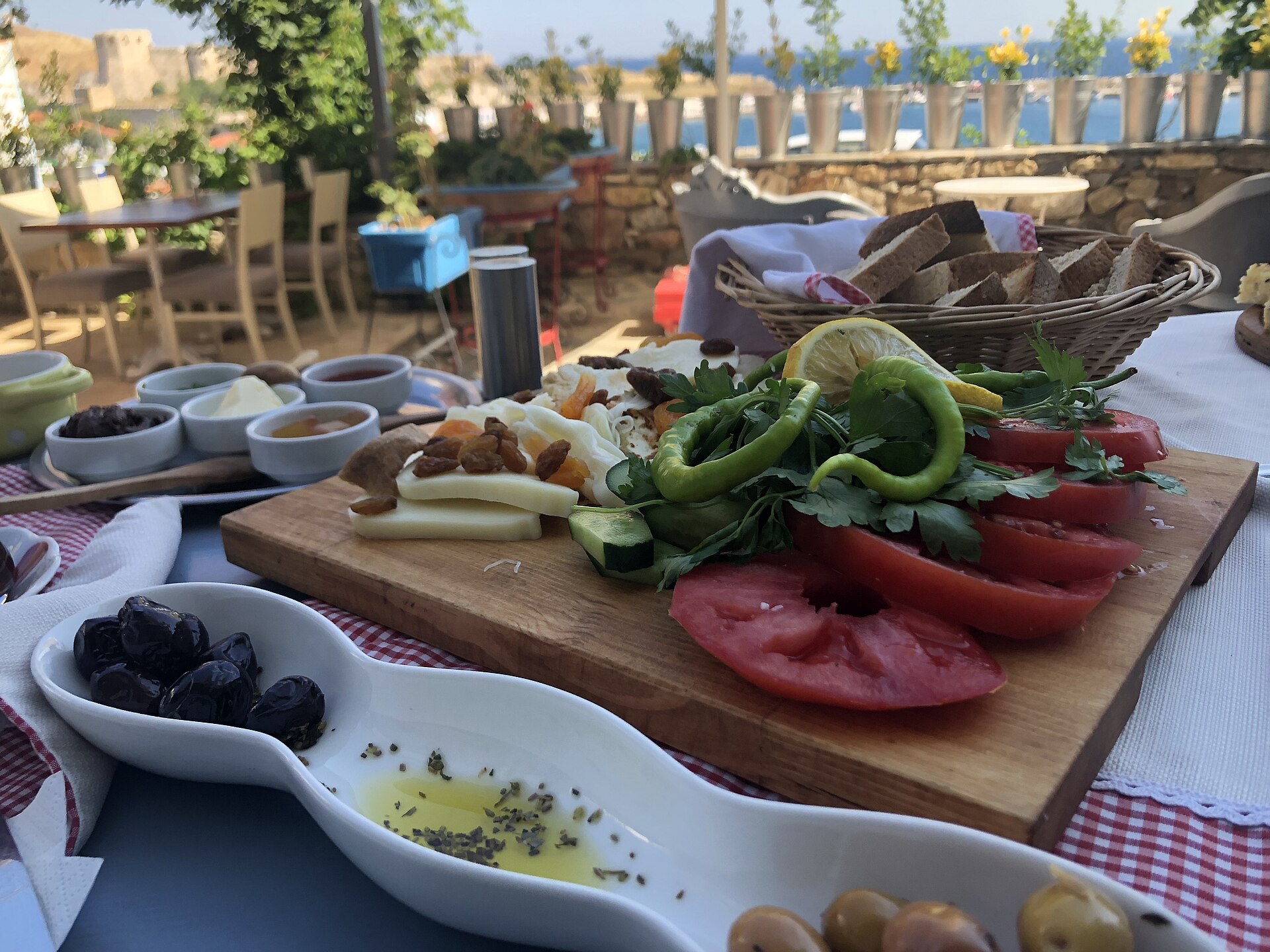
Breakfast makes the idea visible at one table: bread, cheese, olives, tomatoes, cucumbers, eggs, preserves, honey and tea can expand from a quick meal into hours of conversation. Soups, börek, mantı, kebabs, vegetable stews and desserts carry their own local histories and techniques.
What matters to me is the regional accent. A dish can share a name across the country and still change through ingredients, preparation and family memory. Food becomes a practical map of climate, agriculture, migration and exchange.
More than one postcard
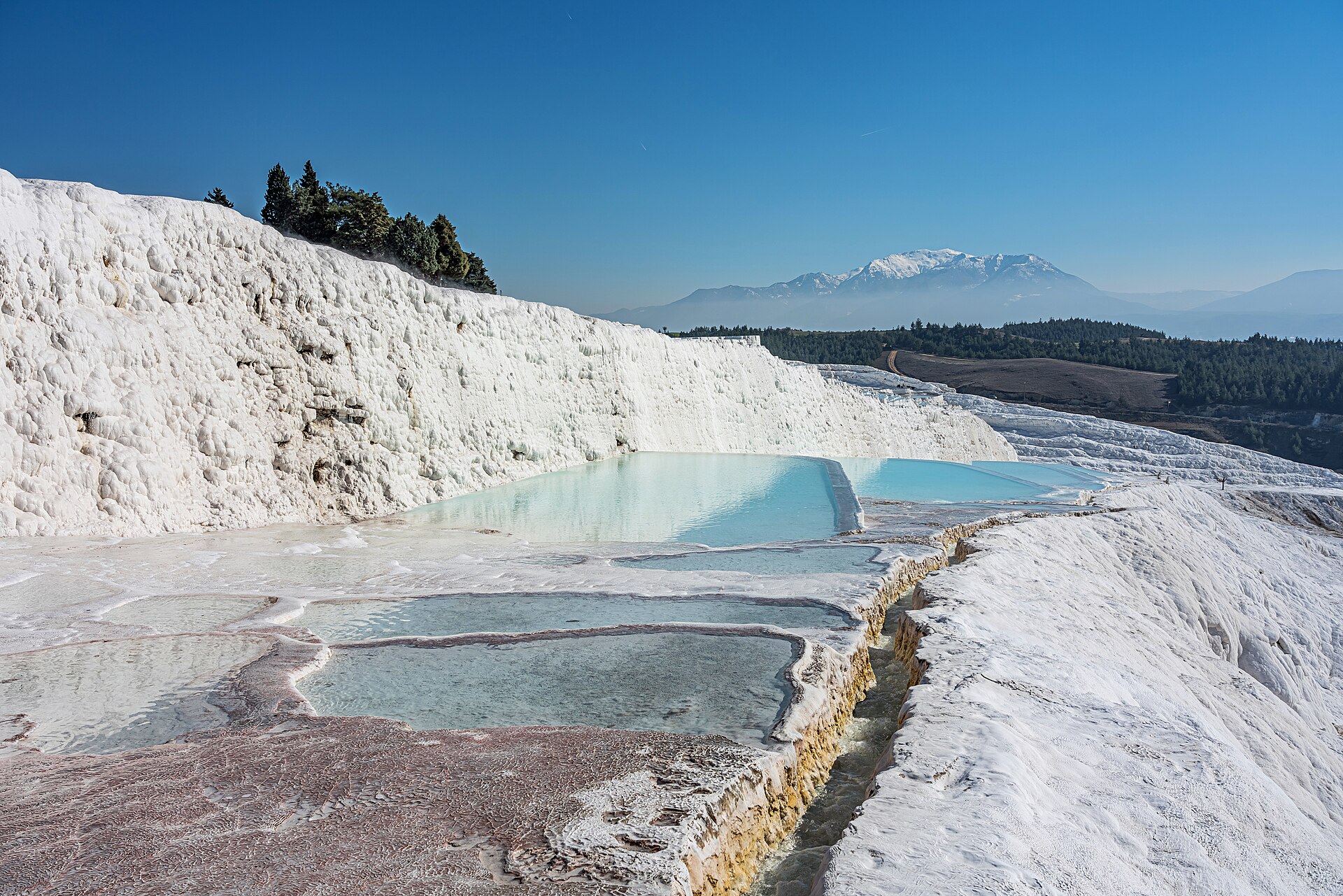
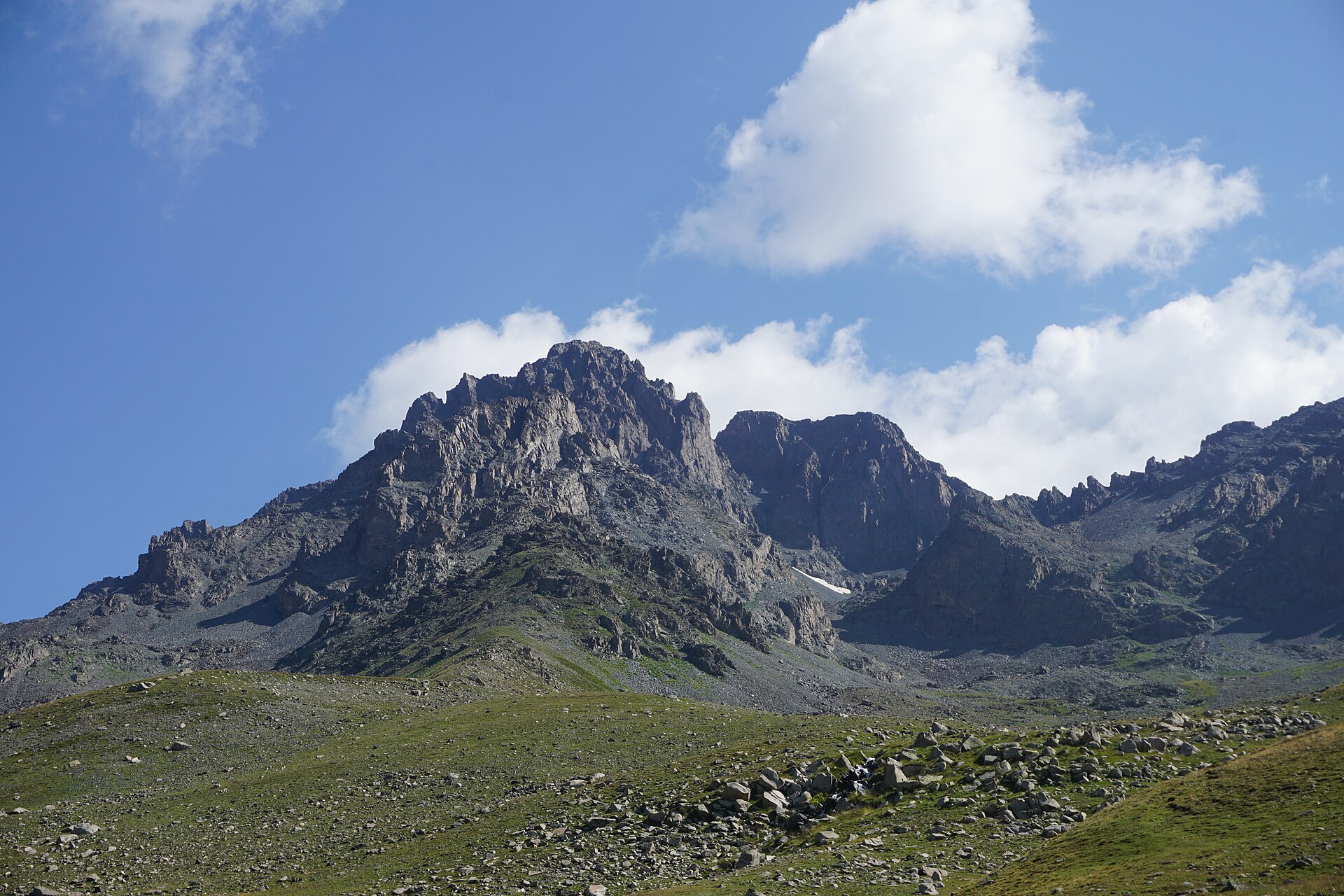
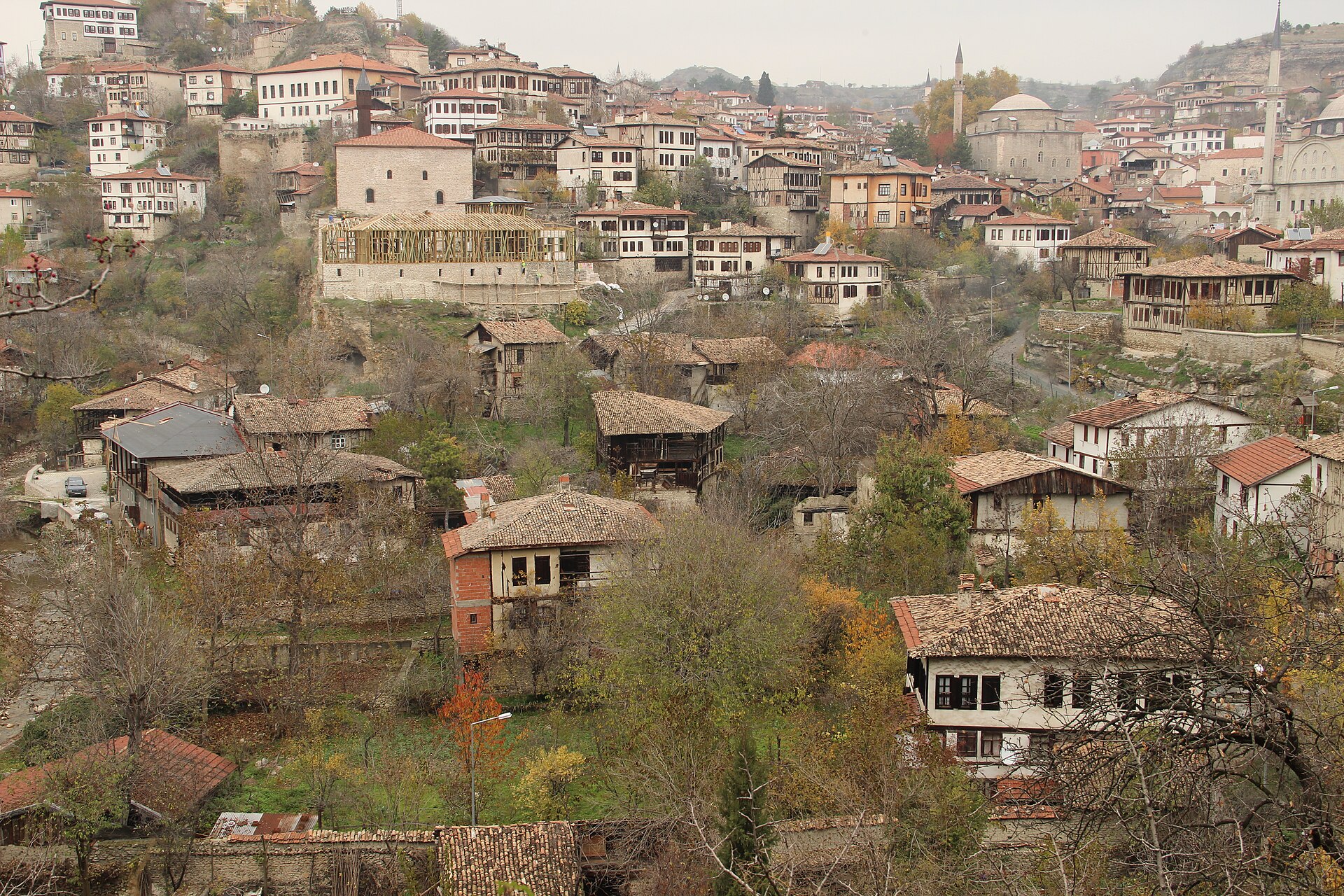
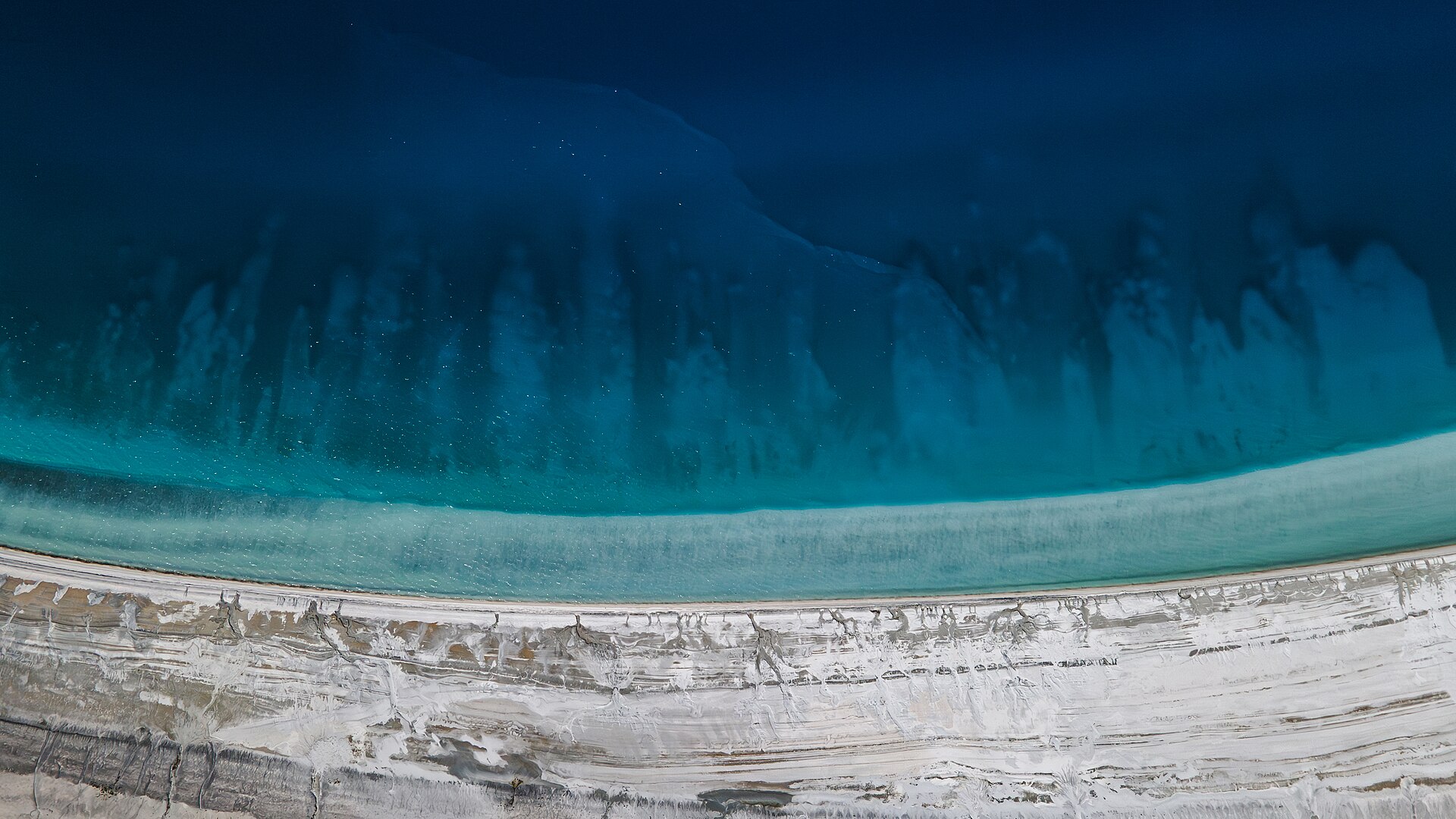
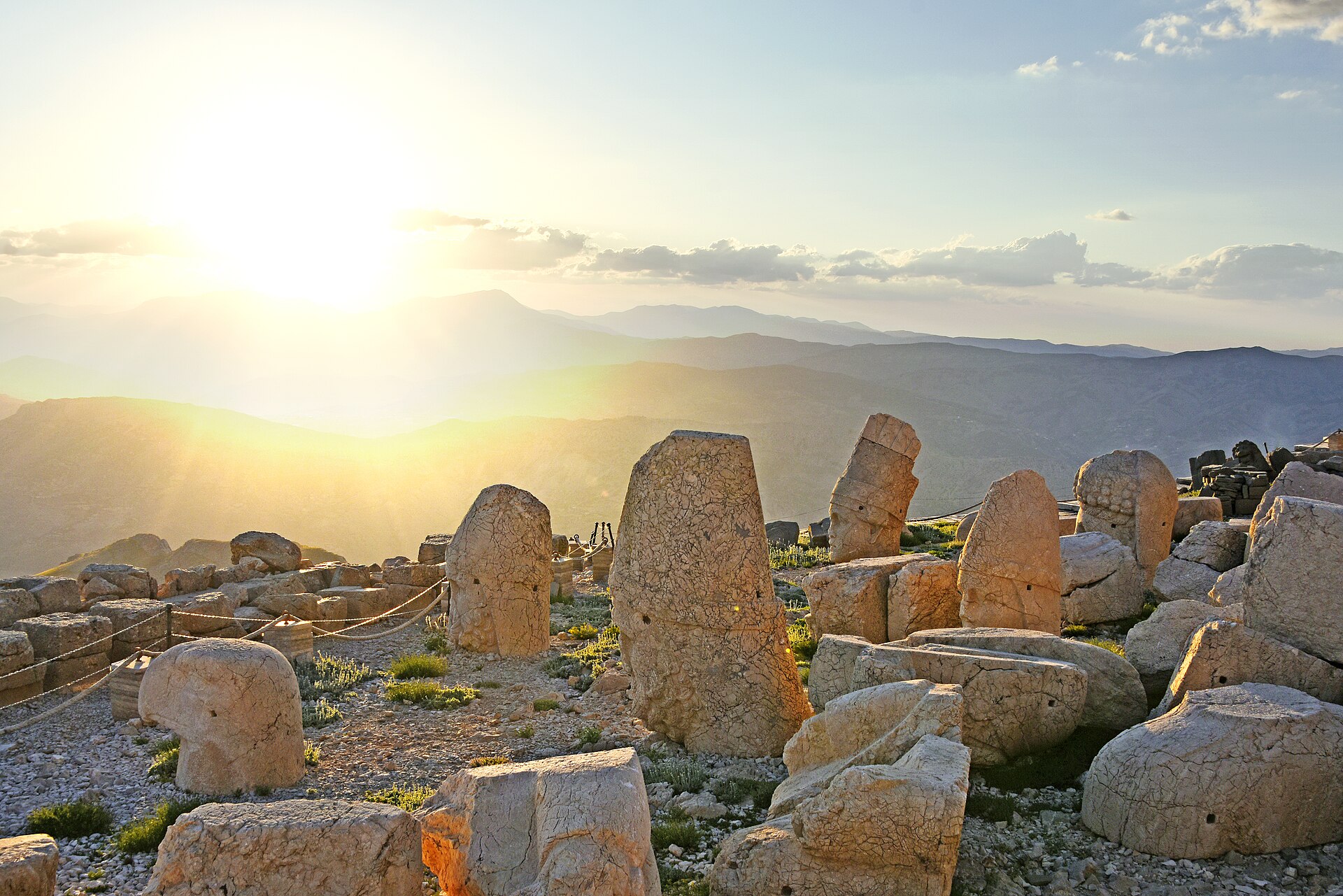
These frames move through mineral terraces, high mountains, timber towns, blue water, ancient cities, volcanic monuments and one small ritual at the table. None is the whole country. Together they show why a single image never feels sufficient.